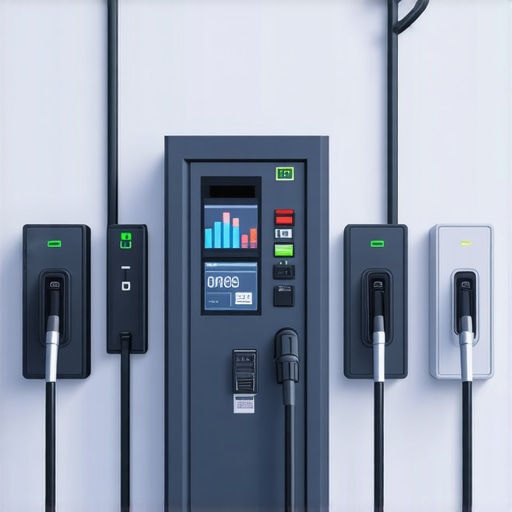

Why Your 2026 Panel Upgrade Needs This New Multi-EV Load Study
I remember the moment clearly. I was troubleshooting my home’s charging system late one evening when suddenly, my EV charger flickered out. No warning, no obvious reason. Just a frustrating blackout that left me scratching my head. That’s when I realized—my current electrical panel just wasn’t cut out for the future demands of multiple EVs. That lightbulb moment made me dig deeper into what the upcoming 2026 regulations and technological changes really mean for homeowners like us.
A Wake-Up Call for Homeowners Preparing for 2026
If you’re like me, you’ve probably started considering or even already installed a Level 2 charger in your garage. But here’s the catch: the electrical landscape is changing fast. The 2026 code updates and new load management requirements are around the corner, and they could catch you off guard if you’re not prepared. A simple upgrade today might not cut it anymore, especially if your electrical panel is outdated or underperforming. That’s why a comprehensive multi-EV load study is becoming essential now—not just a smart choice, but a necessary one to stay ahead of the curve.
Is All the Buzz Around a Multi-Load Study Just Hype?
Early on, I made the mistake of assuming that my existing panel could handle a second EV charger without issue. Spoiler alert: it didn’t. Without a proper load calculation, I risked violating code and, worse, creating unsafe conditions in my home. According to the National Electrical Code (NEC), understanding your actual load capacity is critical before any upgrades or installations. This experience taught me a vital lesson: rushing into a panel upgrade without a detailed study can be costly and dangerous.
So, what’s next? How do you ensure your home’s electrical system is future-proof and code-compliant? Keep reading. I’ll walk you through why this load study isn’t just a technical step—it’s your safeguard against unexpected failures and hefty fines down the line. Ready to get serious about your home’s electrical health? Let’s dive into the practical steps you should take now to secure your charging future.
,
Conduct a Detailed Load Calculation
Start by assessing your home’s current electrical load. Turn off all appliances and measure the electrical demand using a clamp meter on your main breaker. This is like checking how much water flows through a pipe; knowing your capacity helps prevent overloading. I once overlooked this step, leading to tripped breakers during my first EV charger test, causing delays. Performing this calculation ensures your existing panel can handle the new requirements or highlights the need for an upgrade.
Evaluate Your Current Panel’s Capacity and Condition
Inspect your electrical panel for age, size (measured in amps), and physical condition. An outdated 100-amp panel might have insufficient capacity for multiple EV chargers. Look for signs like rust, buzzing noises, or frequent trips. I noticed my panel’s aluminum wiring showed corrosion during a visual check, prompting me to consider upgrading immediately rather than risking a fire hazard. A professional assessment confirms whether your panel meets the upcoming standards or needs replacement.
Design an Upgraded Panel and Distribution Plan
Based on your load study, determine the suitable panel size (commonly 200 amps for EV readiness). Plan for dedicated circuits for each charger—think of this as assigning separate lanes on a highway for different vehicles to avoid congestion. Label the circuits clearly. I once set up several chargers on a shared circuit, which caused voltage drops and charging failures. Proper planning ensures your home’s electrical system remains reliable and compliant with 2026 regulations.
Hire a Licensed Electrician for Installation
Engage a qualified electrician experienced in EV and code-compliant upgrades. They will verify your plan, obtain necessary permits, and ensure proper wiring and grounding. Think of this step as hiring a skilled chef to prepare a complex dish—precision matters. I learned this lesson when DIY wiring led to compliance issues and inspection failures; professional installation saved me weeks of rework. Visit Bright Spark Electric’s contact page to find certified experts.
Ensure Code Compliance and Safety Measures
Work with your electrician to adhere strictly to the latest National Electrical Code (NEC guidelines) and local regulations. This includes proper circuit breakers, GFCI outlets, and surge protection. It’s like building a house on a solid foundation; neglecting safety codes risks future violations. I once skipped a comprehensive code review, only to face costly revisions during inspection. Double-checking with the verification process prevents such setbacks.
Test the System Thoroughly After Installation
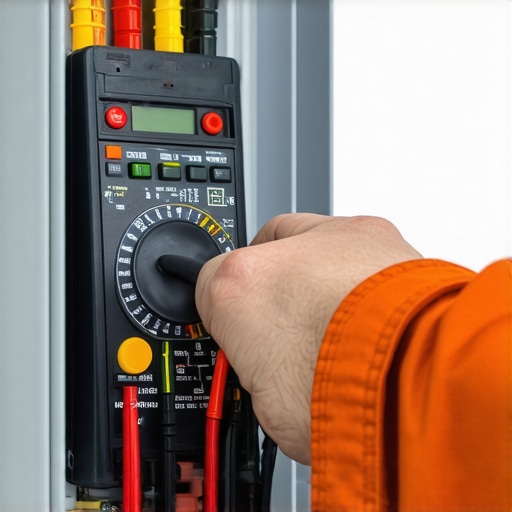
After the upgrade, test each EV charger for proper operation. Use a multimeter to verify voltage levels and check for any abnormal heating. Observe the charging process to ensure steady power flow. During my test, I discovered a loose connection that caused intermittent charging. Fixing it immediately avoided potential safety hazards and ensured reliable operation moving forward. Regular maintenance and scheduled inspections keep your system compliant and safe.
Document and Keep Records of Upgrades
Maintain detailed records—receipts, inspection reports, load calculations, and certification documents. These serve as proof of compliance during future inspections or sales. I kept my documentation organized in a digital folder, simplifying any questions from inspectors. Proper records also help diagnose issues quickly if problems arise later. For more guidance, refer to our detailed article on secure upgrades and compliance.
When it comes to upgrading your home’s electrical panel for EV charging, many assume that following the basic wiring code and installing a bigger breaker is enough. However, this oversimplification can lead to costly mistakes and unsafe conditions. A common misconception is that once you’ve upgraded your panel to a higher amperage, you’re fully compliant with all safety regulations. In reality, comprehensive understanding of load calculations, wiring practices, and regional code nuances is essential to ensure safety and future-proof your system. Overlooking these details can result in violations, insurance issues, or even fire hazards. One frequently missed aspect is the importance of verifying whether existing wiring, grounding, and overcurrent protection meet the latest standards—especially as regulations evolve rapidly for EV infrastructure.
Are Your Troubleshooting Skills Keeping Up with Advanced EV Challenges?Tools That Keep Your System Running Smoothly
Regular maintenance begins with having the right equipment. I personally rely on a high-quality clamp meter from Fluke because it provides precise current measurements without disrupting the circuit. This tool is indispensable for spot-checking circuits and ensuring load balances stay within safe limits. For detailed analysis, I use a digital multimeter with high impedance input, which helps me verify voltage consistency across circuits, catching potential issues early. A portable GFCI tester is another must-have; it allows me to verify ground-fault protection, especially after any upgrades or repairs. These instruments make troubleshooting quicker and more accurate, saving me time and preventing costly failures.
Software and Methods to Monitor Long-Term Performance
Beyond physical tools, I recommend implementing monitoring software integrated with smart EV chargers. Such systems track usage patterns, voltage stability, and detect anomalies like unexpected shutdowns. I personally use a platform that connects via Wi-Fi, giving me remote access to real-time data. This way, I can set alerts for voltage drops or overheating, addressing issues proactively. Additionally, routine visual inspections—checking wiring for wear, corrosion, or loose connections—are simple yet effective practices that complement technological monitoring. Combining these tools and methods ensures your system remains safe, compliant, and ready to support your EV needs.
How do I maintain my charging setup over time? Step-by-step tips include
- Scheduling regular inspections with a qualified electrician to verify connections and grounding.
- Updating firmware on smart chargers when updates are available, ensuring compatibility and security.
- Cleaning your equipment periodically to prevent dust accumulation that can lead to overheating.
- Keeping detailed logs of maintenance activities and performance data for future reference.
Looking ahead, the trend is moving toward fully integrated, sensor-based systems that automatically notify you of issues—reducing the need for manual checks. As technology advances, adopting these intelligent solutions will become essential for long-term reliability. For comprehensive guides on troubleshooting and maintaining your system, explore trusted troubleshooting tips or contact professionals for tailored advice.
What I Wish I Knew About Panel Upgrades and Code Compliance
One of the hardest lessons I learned was that upgrading my electrical panel isn’t just about installing a bigger breaker; it’s about understanding the intricate dance of load calculations, wiring standards, and regional regulations. Rushing through this process can lead to safety hazards or failed inspections, which is why I now prioritize comprehensive load studies over quick fixes.
Another personal insight is the importance of not assuming your existing wiring is sufficient. Even if your panel has enough capacity on paper, age, wear, and previous modifications might reduce safety margins. Regular visual inspections, combined with professional assessments, save headaches down the line.
Lastly, I realized that staying informed about evolving 2026 regulations is essential. The rules around load management and multi-EV charging are becoming stricter, and small oversights today can become costly mistakes tomorrow. Proactive planning helped me future-proof my home more effectively.
Tools and Resources That Kept Me Ahead of the Curve
For accurate load calculations, I rely on a quality clamp meter from Fluke because it provides precise current readings without disrupting circuits. To ensure wiring safety and compliance, I trust detailed guides available at Bright Spark Electric’s code compliance resources. Having a professional electrician by my side, found through Bright Spark’s contact page, made all the difference in proper installation and code adherence. And for ongoing system checks, I use smart monitoring platforms that alert me to voltage fluctuations, ensuring my setup stays reliable.
Additionally, on my reading list, I highly recommend exploring the latest editions of NEC guidelines, which are crucial for understanding legal requirements. Staying educated empowers homeowners to make better decisions and avoid pitfalls that could jeopardize safety or compliance.
Keep Moving Forward with Confidence
Embarking on your home EV charging upgrade might seem daunting, but remember—every step you take today builds a safer, more efficient tomorrow. Whether it’s performing load studies, consulting professionals, or leveraging smart tools, each action prepares you for the advancements ahead. Your home’s electrical system can be both reliable and future-ready—don’t wait until troubleshooting becomes a nightmare. Take that first step now, and continue learning along the way.
What has been your biggest challenge in preparing your home for 2026 EV regulations? Share your experience below—I’d love to hear your story!